

The whole skin examined, not just the spot 000-000-0000

Woodside, Queens · since 2009

Dermatologist in Woodside, NY

A skin care center on 61st Street: three dermatologists and a physician assistant doing medical, surgical and pediatric dermatology. The whole skin examined rather than the spot you pointed at, a named diagnosis written down for you to take home, and self-pay prices published in full. Nothing here is ever diagnosed from a photograph.

  • The whole skin, not one spot
  • A named diagnosis, written down
  • No diagnosis from a photograph

Some things should not wait for the next free routine appointment. Some things should not wait for the next free routine appointment. Telephone the practice and say what is happening, or go to an emergency room, if you have a mole or a mark that has changed shape, colour or size, that has become raised or uneven, or that bleeds, itches or will not heal; a sore anywhere that has not healed in three weeks; a rash that is spreading quickly, especially with fever, blistering, or peeling skin; a painful rash in a band on one side of the body, particularly near an eye; redness that is hot, swollen, tender and spreading, which can be a deep skin infection; a new rash after starting a medicine, especially with mouth or eye involvement; or a child under three months with any widespread rash. If you have been treated here and something is worse rather than better after a procedure, telephone us rather than waiting for the review appointment. We would far rather field a call that turns out to be nothing.

Why people come in

Eight things people actually say at the desk

Almost nobody arrives with a diagnosis, and you are not expected to. They arrive with a sentence, and working out which condition is behind it is the largest part of what this practice does. One of these sentences is triaged differently from the rest.

Something on my skin has changed

The single most important sentence a patient can say, and it is triaged differently from a routine appointment. A mark that is new after the age of thirty, that has changed shape, colour or size, that has become raised or uneven, or that bleeds, itches or will not heal, gets looked at properly and, where there is any doubt, sampled rather than watched.

My skin itches and I am not sleeping

Itch is the symptom this speciality treats most and takes least seriously in public. Scratching through the night wrecks sleep, and wrecked sleep makes the itch worse, which is a loop worth breaking early rather than after two years of it. It is also occasionally the first sign of something that is not a skin disease at all, which is why we ask about the rest of you.

I have been treating this for years and it keeps coming back

Usually one of three things: the diagnosis was never confirmed, the treatment was the right one at the wrong strength or for the wrong length of time, or the condition genuinely relapses and nobody explained that it would. All three are worth an appointment that starts from the beginning rather than adding a fourth cream to the shelf.

My face breaks out and then leaves marks

Active acne and the marks left behind are two problems, they need different treatments, and treating the second before the first is controlled wastes your money and your time. The marks that are brown fade; the ones that are dents do not, and preventing those is the argument for treating acne properly rather than waiting to grow out of it.

My hair is coming out

There are roughly twenty causes, they look different under magnification, several are reversible and a few are urgent. Whether the scalp is scarred is the question that decides everything, because scarred hair loss is permanent once it has happened and the treatable window is while it is still active.

My child's skin is red and raw and nothing is working

Usually eczema, usually being treated with something too weak for too short a time because everybody involved is frightened of steroids, and usually improvable within a fortnight once somebody writes down the actual plan. Occasionally it is not eczema, which is the other reason to have it looked at.

I burn easily and I have had a lot of sun

Sun damage arrives decades later as rough scaly patches, brown marks and skin that does not repair. Some of those patches are pre-cancerous and treating them is genuinely preventive, which makes this one of the few places in medicine where turning up early is straightforwardly worth it.

I have been told it is nothing and I am not reassured

A second opinion is a normal appointment and not an insult to anybody. Bring what you were told, what you were given and, if a biopsy was taken, the report. If we agree it is nothing you will get the reasons rather than the verdict, which is usually what was missing the first time.

What we treat

The conditions people come in with most

Thirty-one condition pages, each one saying what the condition actually is, how it is diagnosed, what treatment genuinely achieves and in what timeframe, how often it fails, and what it will not do at all.

Skin Cancer Screening — Woodside Skin Care, Woodside NY

Skin Cancer & Lesions

Skin Cancer Screening

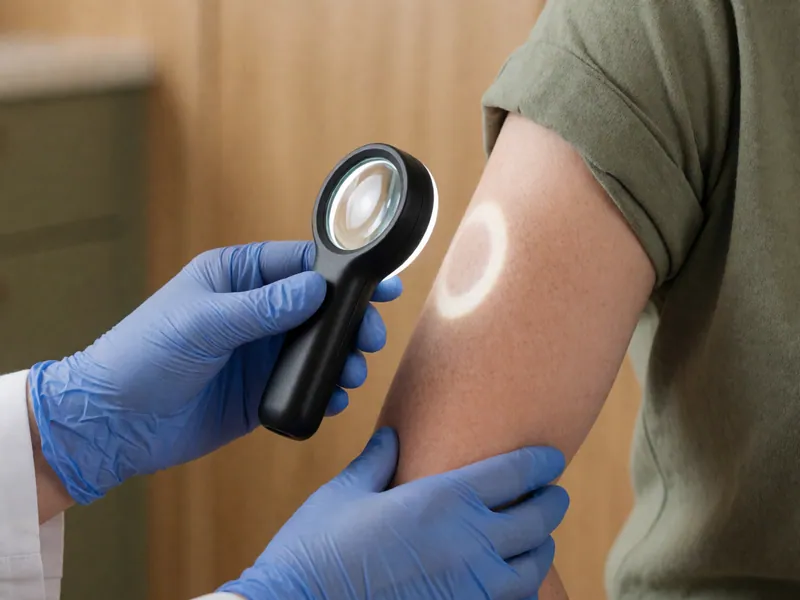
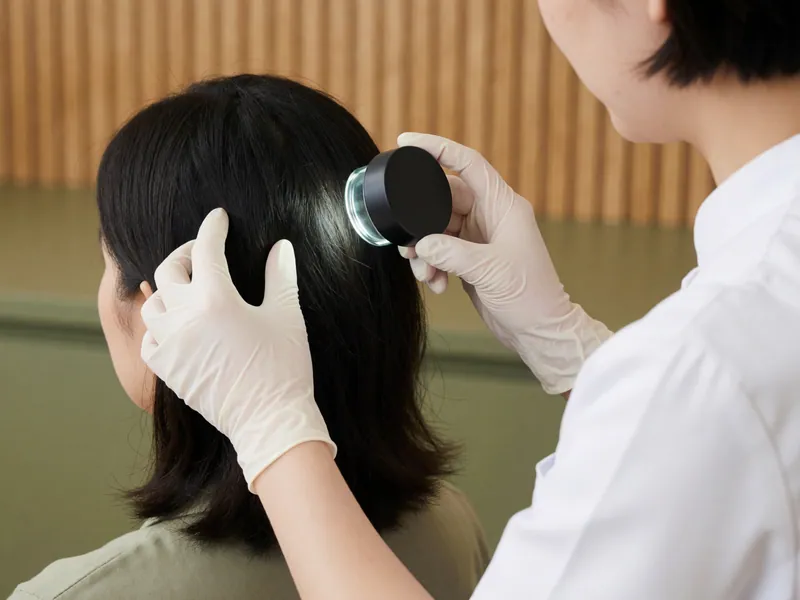
A full-body skin examination in good light with a dermatoscope, taking about forty-five minutes. It finds most of what is present on the day it is done — not all of it — and the part that matters as much as the appointment is what you do between appointments.

Read more
Mole & Lesion Evaluation — Woodside Skin Care, Woodside NY

Skin Cancer & Lesions

Mole & Lesion Evaluation

One mark, examined properly: history, naked eye, then dermoscopy. Most moles are entirely ordinary and are left alone with reasons given. Anything genuinely uncertain is sampled rather than watched for a year.

Read more
Acne — Woodside Skin Care, Woodside NY

Inflammatory Skin Disease

Acne

The commonest reason anybody sees a dermatologist. It is treatable in almost everybody, it takes about three months before you can judge whether a treatment worked, and treating it properly is how you avoid the scars.

Read more
Eczema & Dermatitis — Woodside Skin Care, Woodside NY

Inflammatory Skin Disease

Eczema & Dermatitis

Itchy, inflamed, dry skin that flares and settles. It is controlled rather than cured, most of it is under-treated rather than over-treated, and the plan you leave with should include what to do on the first day of the next flare.

Read more
Psoriasis — Woodside Skin Care, Woodside NY

Inflammatory Skin Disease

Psoriasis

An immune-driven condition, not a skin infection and not contagious. Treatment ranges from creams through light therapy to targeted injections, and what has become achievable for severe psoriasis in the last decade is genuinely different from what came before.

Read more
Hair Loss — Woodside Skin Care, Woodside NY

Hair, Nails & Sweat

Hair Loss

Around twenty different causes that look similar to a patient and quite different under magnification. The question that governs everything is whether the scalp is scarred, because scarring is permanent and the window to prevent it is while the condition is still active.

Read more

How this practice works

Six things we do differently, and can be held to

Every one of these is checkable at your first appointment, which is the point of publishing them. A great many patients arrive here having been treated for years without ever being told what they actually have.

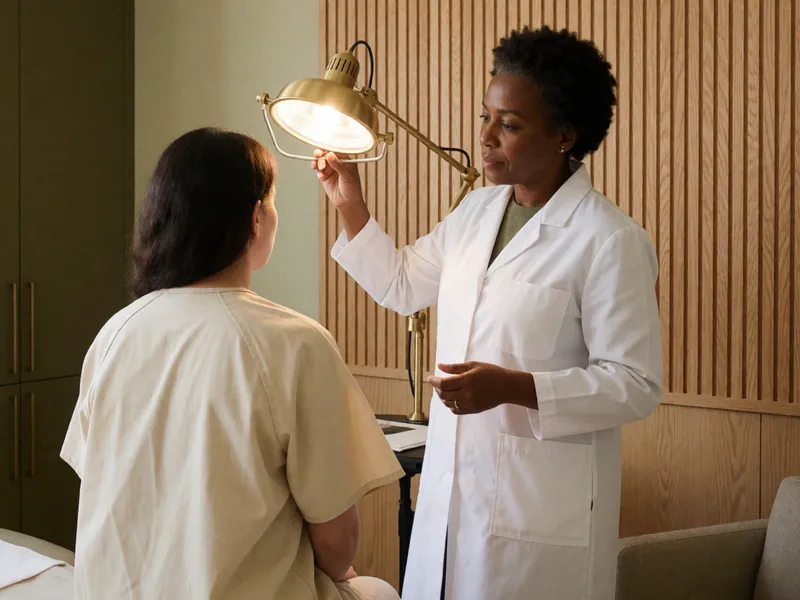
The consultation room at Woodside Skin Care, Woodside NY

The whole skin gets examined, not the spot you pointed at

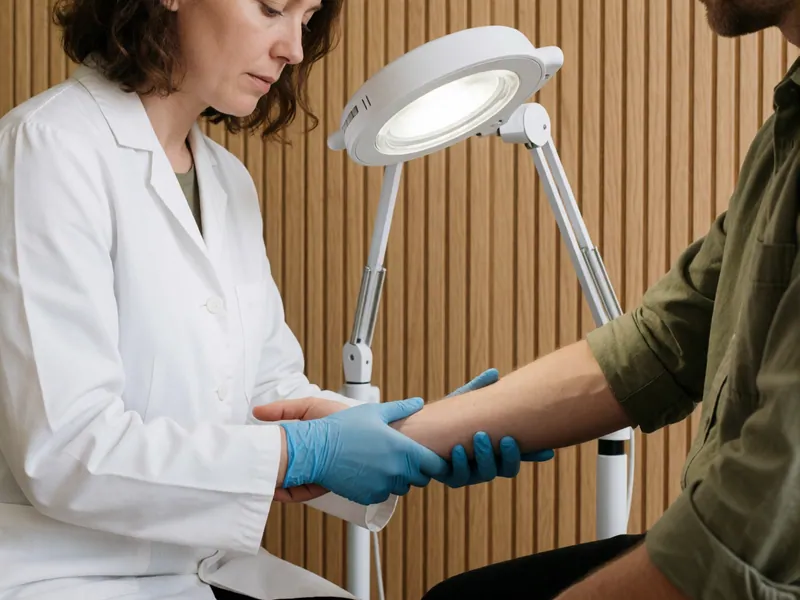
A new-patient appointment is a full skin examination in a gown, in good light, with a dermatoscope — scalp, behind the ears, the back, between the toes, the soles, the nails. A great many of the cancers found here were found somewhere the patient could not see and had not mentioned. If you would rather only the one spot were looked at, say so and that is what we will do, but we will ask once more before you leave.

A named diagnosis, written down, that you leave holding

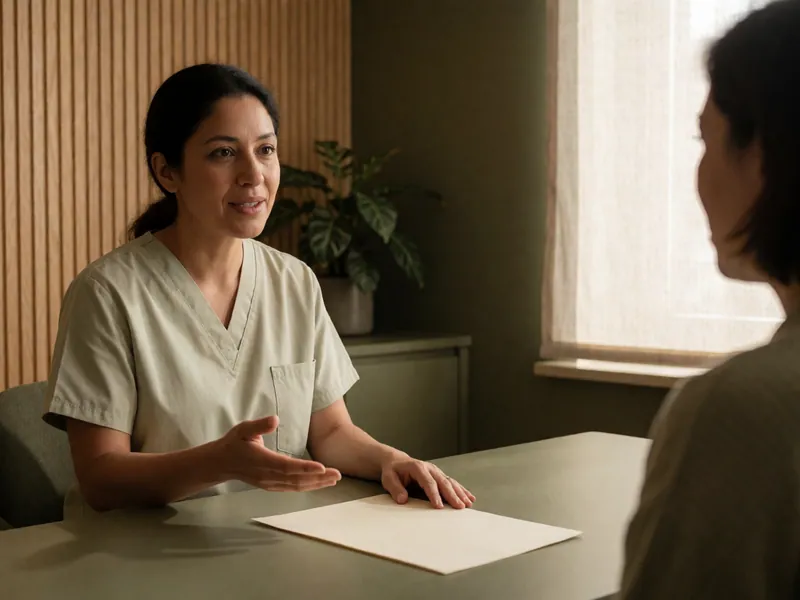
You should be able to say what you have when you get home, spell it, and look it up. If we are not sure, you will be told that we are not sure and what would make us sure, which is usually a biopsy. "A bit of dermatitis" is not a diagnosis, and neither is a cream handed over without a name attached to it.

The risks and the stopping point before the prescription

Every topical steroid leaves here with a strength, a site, a frequency and a date to stop or review. Every medicine needing a blood test leaves with the blood test booked. Nobody is given something to use indefinitely on skin that was never re-examined.

Long appointments, because the history is the diagnosis

Thirty minutes for a new patient, forty-five for a full skin check, an hour for patch testing and for a child. Most of what distinguishes one rash from another is when it started, what makes it worse and what you have already put on it — and none of that can be asked in seven minutes.

What is medical and what is cosmetic, said out loud, before you sit down

The line between the two is where dermatology billing goes wrong for patients, and it is not always where people expect. You will be told which side of it your visit falls on, and if a thing you want is cosmetic and therefore yours to pay for, you will hear the price before it happens rather than read it afterwards.

The same physician, appointment after appointment

Chronic skin disease is managed by somebody who remembers what has already been tried on you and what it did. You are booked with a named physician and you stay with them. If you would rather be seen by somebody else, that is an ordinary request and nobody will be offended.

No before-and-after photographs, and no promised outcome. There are no before-and-after photographs on this website and there never will be. Every set you have seen somewhere else was chosen from a much larger pile, and the second picture is usually taken in different light, at a different angle, at a different point in a flare cycle. In dermatology the dishonesty is sharper than in most fields, because nearly every condition here fluctuates on its own — photograph any relapsing skin disease at its worst and again at its best and you have a persuasive pair of images that demonstrates nothing about the treatment in between. What we publish instead is what a treatment typically achieves, in how long, in what proportion of people, and how often it does not work.

Nothing is diagnosed from a photograph. We do not diagnose skin from photographs, and we do not answer "what is this?" by email, by message or through a form. This is not caution for its own sake. A photograph has no history attached to it, cannot be felt, cannot be stretched or pressed to see whether the colour blanches, cannot be examined under a dermatoscope, and misreports colour badly — which matters enormously on skin that is not pale. The examination that actually distinguishes a harmless growth from an early cancer involves magnification, cross-polarised light and, when there is any doubt at all, a biopsy. An application that offers to tell you whether a mole is dangerous from a picture taken on a telephone is selling reassurance, and reassurance is the one product in this field that is dangerous when it is wrong. Bring the mark to a room where somebody can look at it.

Our clinicians

Four clinicians, four rooms, four separate books

Each keeps their own schedule and their own examination room, so you choose the one whose focus fits what you are coming in about and stay with them. Chronic skin disease is managed far better by somebody who remembers what has already been tried on you.

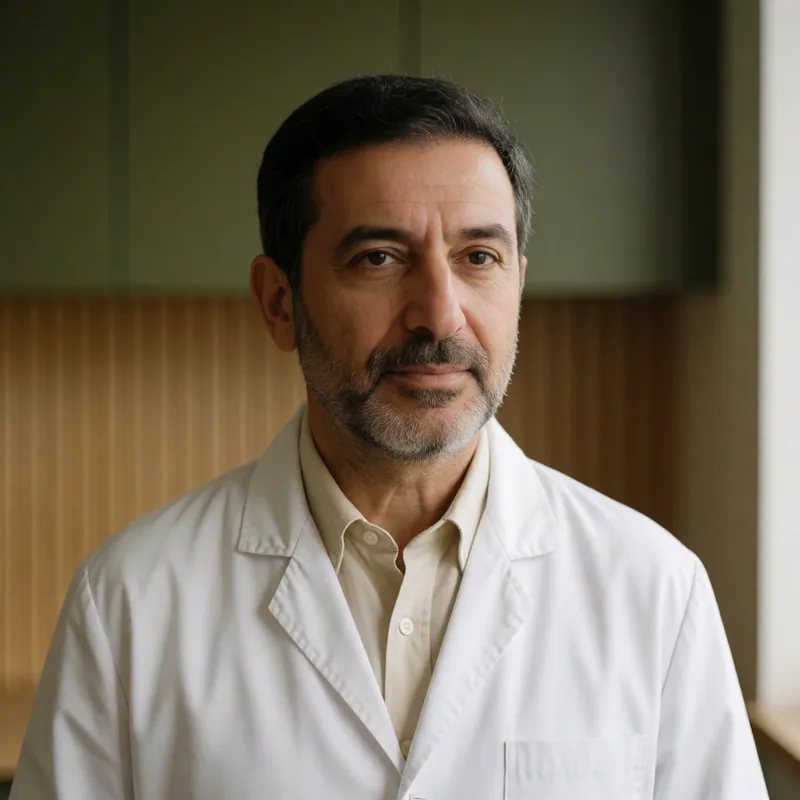
Dr. Amara Okafor-Reyes, Skin Cancer & Dermatologic Surgery at Woodside Skin Care

Dr. Amara Okafor-Reyes, MD

Skin Cancer & Dermatologic Surgery

Medical Director · Room 1 · here since 2009

Amara opened this practice in 2009 after nine years of hospital dermatology, and she is the reason every examination room has a dermatoscope in it rather than one being wheeled between them. She takes the difficult appointments: the mark somebody has been watching for two years, the patient who was told it was nothing and did not believe it, and the biopsy result that needs explaining slowly. She does most of the surgery in this building, and she is the person here most likely to tell you that the right answer is to leave something completely alone — and to explain what would change that answer.

  • Full skin examinations
  • Mole and lesion assessment
  • Skin surgery
  • Second opinions

English, Spanish

Dr. Yusuf Demirci, Inflammatory & Autoimmune Skin Disease at Woodside Skin Care

Dr. Yusuf Demirci, MD

Inflammatory & Autoimmune Skin Disease

Dermatologist · Room 2 · here since 2013

Yusuf runs the practice's phototherapy and patch-testing services and looks after most of the long-term inflammatory disease here. He sees a great many people who have been treated for years without ever being told what they actually have, and his first appointment usually goes back to the beginning: what it looked like when it started, what has been tried, at what strength, for how long, and what happened when it stopped. He is blunt about the fact that these conditions relapse, and equally blunt that relapsing is not the same as failing.

  • Eczema and dermatitis
  • Psoriasis
  • Hidradenitis suppurativa
  • Patch testing

English, Turkish, German

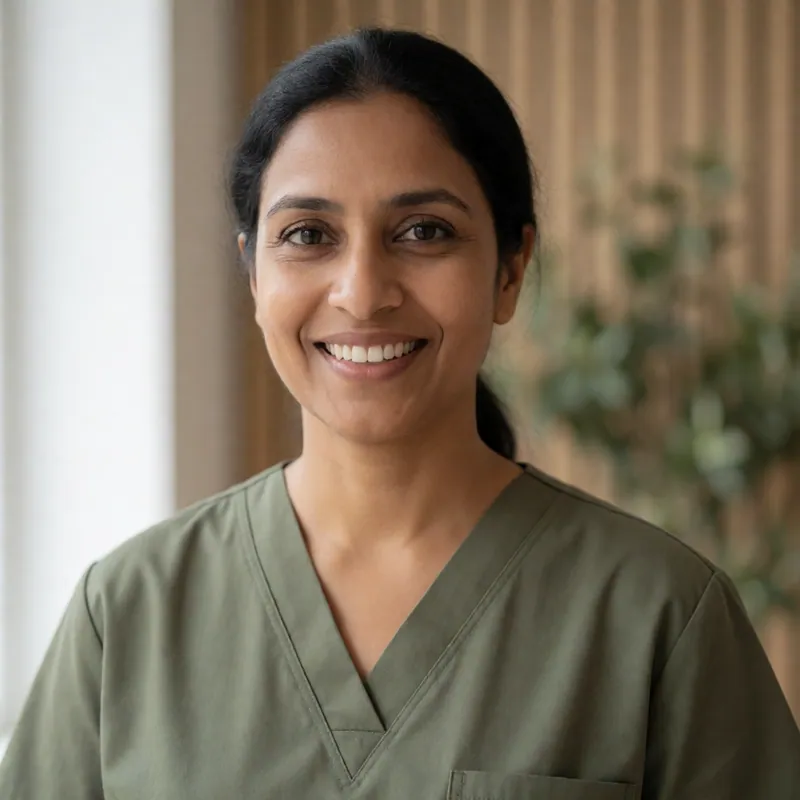
Dr. Priya Raghunathan, Pediatric & Adolescent Dermatology at Woodside Skin Care

Dr. Priya Raghunathan, MD

Pediatric & Adolescent Dermatology

Dermatologist · Room 3 · here since 2016

Priya sees the children, the teenagers and a fair number of adults who would simply rather be spoken to the way she speaks to a nine-year-old. Her appointments are longer because a child needs to be talked to before being examined, and because a parent who has been frightened by the internet needs the reasoning rather than the conclusion. She is the clinician here most likely to recommend doing nothing at all: a large share of what arrives in her room resolves on its own, and knowing which share is the skill.

  • Children's eczema
  • Birthmarks and vascular lesions
  • Warts and molluscum
  • Teenage acne

English, Tamil, Hindi

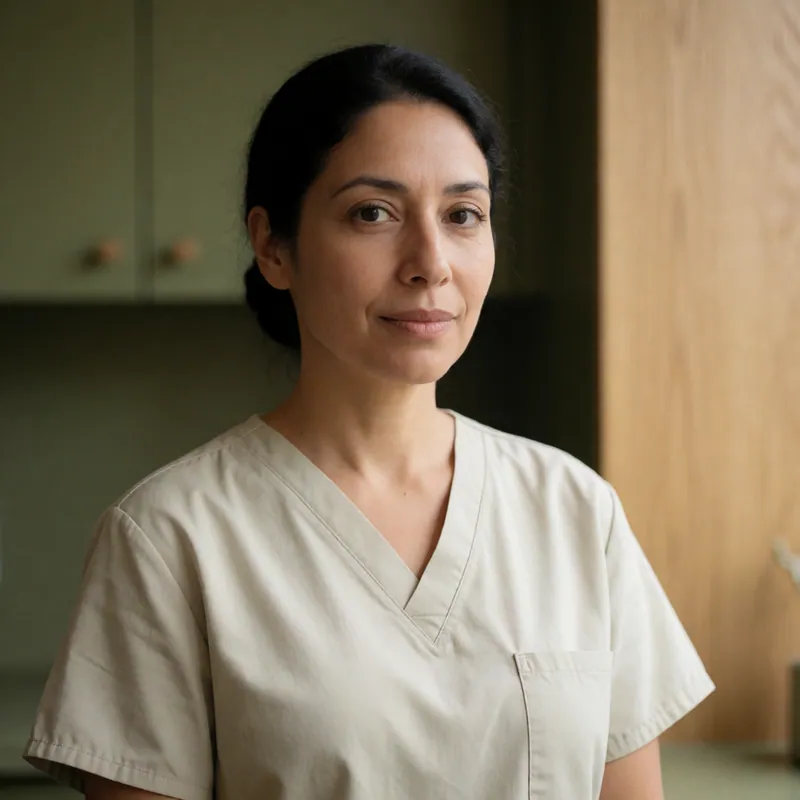
Marisol Castellanos, General Dermatology, Acne & Skin of Color at Woodside Skin Care

Marisol Castellanos, PA-C

General Dermatology, Acne & Skin of Color

Physician Assistant · Room 4 · here since 2018

Marisol carries most of the general dermatology here — acne, routine skin checks, the follow-ups that keep a chronic condition steady — and she has built the practice's approach to pigment change on darker skin, which is the complaint that brings more people through this door than any other single thing and the one most often dismissed elsewhere. She works alongside the physicians rather than behind them, and anything uncertain gets a second pair of eyes the same day rather than another appointment.

  • Acne
  • Pigmentation after inflammation
  • Routine skin checks
  • Follow-up appointments

English, Spanish, Tagalog

Booking

The calendar shows only the hours that are genuinely free

Pick a clinician, pick an hour, and it is booked. The calendar reads the same schedule each of them keeps — their working days, their lunch break, the hours they have blocked out and the appointments already taken — so an hour on screen is an hour you can actually have.

You get an email straight away with a link to confirm it, and a reminder the day before if you booked further ahead than that. Not confirming does not cancel anything; it simply shows as unconfirmed on the clinician's calendar until you say either way. You can cancel your own appointment from that email at any time up until it starts.

Reception at Woodside Skin Care on 61st Street, Woodside

Prices

What it costs, told to you before rather than after

These are self-pay prices, and they are the prices you pay if you have no coverage or if what you are having done is cosmetic. Most medical dermatology — a rash, a changing mole, acne, psoriasis, a biopsy, skin surgery — is covered by health insurance, and most cosmetic dermatology is not. That line is where dermatology billing surprises people, so we tell you which side of it you are on before the appointment starts and we put it in writing. Two honest warnings. First, we can tell you what we will bill; we cannot tell you what your plan will pay, because we do not have your plan in front of us and anybody who promises you a number is guessing with your money. Call the number on your card and ask about your deductible before you assume. Second, if a biopsy is taken, the laboratory that reads it bills separately from us — that is a second invoice from a different company, it surprises people every week, and the price above is the one that includes it. There are no packages to buy, no membership, and no fee for the appointment that checks the result of a procedure we performed.

In their words

What patients say

These comments are invented, like everything else on this demonstration site. They are not marked up as reviews and no rating is claimed anywhere — see the note at the foot of the page.

“I came in about one spot on my arm and she examined all of me. The thing that mattered was on my back, where I had never looked, and I would not have found it in a hundred years.”

Patient, Sunnyside — full skin examination

“Six years of being told it was a bit of dermatitis. He patch tested me and it turned out to be something in my work gloves. I have not had a flare since I changed them.”

Patient, Elmhurst — contact dermatitis

“She wrote down the strength of the cream, where to put it, and the date to stop. Nobody had ever done that. It turned out I had been using something far too weak for two years because I was scared of it.”

Patient, Jackson Heights — eczema

“My daughter was terrified. The doctor talked to her, not to me, and showed her the magnifier before she used it. She let herself be examined and she has not been frightened of a doctor since.”

Parent, Woodside — pediatric appointment

“I was told the marks on my face would go with the acne treatment and that it would take longer than the acne itself. It did take longer. But I had been told, so I did not give up in month three.”

Patient, Woodside — acne and pigmentation

“They telephoned with the biopsy result on a Tuesday evening, and it was good news. I had assumed no call meant no news, and I had spent a week assuming the wrong thing.”

Patient, Astoria — skin biopsy

The practice

Three minutes from 61st Street–Woodside

Three minutes' walk from the 61st Street–Woodside station — the 7 train, the Long Island Rail Road, and the Q32, Q60, Q66 and Q70 buses all stop within a block. There is metered parking on 61st Street and a short loading bay outside the door. The entrance is step-free, every examination room is on one level, and the procedure room takes a wheelchair with the door closed.

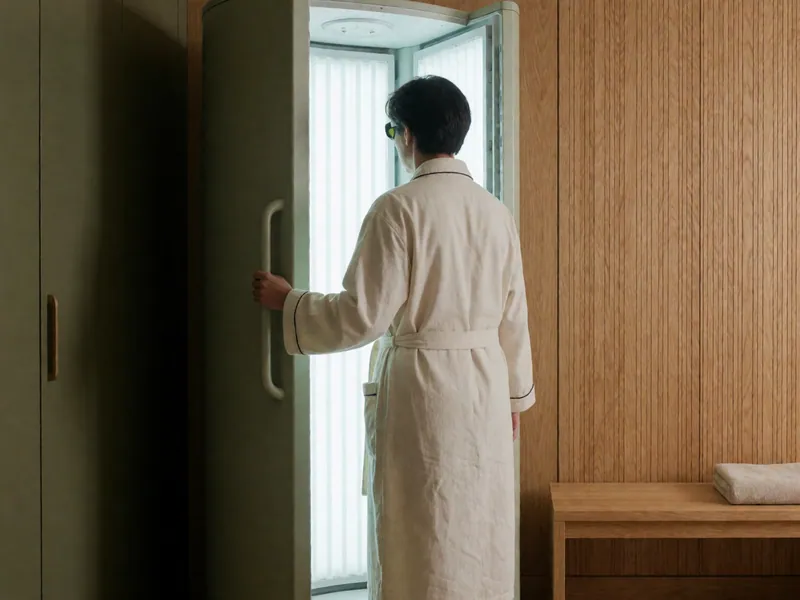
3,400 square feet on one floor: four examination rooms with a door each and a dermatoscope in each, a minor-procedure room set up for surgery under local anaesthetic, a phototherapy booth in a room of its own, a patch-testing bay, and a waiting room with enough chairs that nobody stands.

Woodside Skin Care on 61st Street in Woodside, Queens, New York

Questions

The questions we are asked most

Can I send you a photograph of a mole instead of coming in?

No, and this is the firmest rule in the practice. A photograph has no history attached, cannot be felt, cannot be pressed to see whether the colour blanches, cannot be examined under a dermatoscope, and misreports colour badly — which matters most on skin that is not pale. The examination that separates a harmless growth from an early cancer uses magnification and cross-polarised light, and where there is any doubt it ends in a biopsy. An app that grades a mole from a telephone picture is selling reassurance, and wrong reassurance is the most dangerous product in this field. /no-diagnosis-online.html explains the whole reasoning.

Do you do video appointments at all?

Yes, but only for established patients with a condition we have already examined in person, and only for following it up. A video call is genuinely useful for reviewing whether a treatment plan is working, adjusting a dose, or looking at a flare of something already diagnosed. It is not useful for a new lesion, a new rash, anything on a nail, anything pigmented, or anything that needs to be felt — and we will convert the appointment to an in-person one rather than guess.

Will you tell me what brand of medication you are prescribing?

In the room, in detail, including the generic name, the strength, what it costs and what the alternatives are. What you will not find is a drug name on this website. Prescription medicines in this speciality are advertised to patients harder than in almost any other, and naming one on a public page amounts to advertising a prescription drug to somebody nobody has examined. The same goes for lasers, devices and skincare lines. What matters is the diagnosis and the person choosing the treatment, not the badge.

Why are there no before-and-after photographs on this website?

Because in this field they are close to meaningless. Nearly every condition treated here fluctuates on its own — photograph any relapsing skin disease at its worst and again at its best and you have a persuasive pair of images that demonstrates nothing about what happened in between. Add different light, a different angle and a different camera and the pair proves less still. We publish what a treatment typically achieves, in how long, in what share of people, and how often it fails.

Can you cure my eczema or my psoriasis?

No, and nobody can. These are long-term conditions that relapse, and treatment controls them rather than removing them. What good treatment achieves is long stretches of comfortable skin, flares that are shorter and milder, and knowing what to do on the first day of one instead of the twentieth. That is a genuinely different life and it is worth having — it is simply not the same thing as a cure, and telling patients it is sets them up to feel they have failed when the condition behaves normally.

Does a skin check find every skin cancer?

No. A careful examination finds most of what is present on the day it is done, and it can still miss something very early, something in a genuinely difficult place to see, or something that had not appeared yet. That is why we teach you to examine your own skin, tell you which specific marks on you are worth watching, and give you the list of changes that should bring you back before the next routine visit. A practice that implies a yearly check makes you safe is overselling the most useful appointment in dermatology.

Is a biopsy going to hurt, and will it scar?

It stings for about ten seconds while the local anaesthetic goes in, and after that you should feel pressure but not pain — if you feel pain, we stop and put more anaesthetic in. It will leave a mark. A small punch biopsy usually heals to a pale spot the size of a match head; a shave leaves a flat lighter patch; anything sutured leaves a line. On the chest, the shoulders and the jawline scars are more likely to thicken, and if that applies to you we will say so before rather than afterwards.

Are steroid creams dangerous?

They are dangerous when used at the wrong strength, on the wrong site, for too long, without review — and they are also the treatment that gets most eczema under control, so being frightened of them causes at least as much harm as overusing them. The usual problem we see is the opposite of the one people fear: something far too weak, used for three days, stopped when it did not work, repeated for years. Every prescription here leaves with a strength, a site, a frequency and a date to stop or come back.

A named diagnosis and a written plan you leave holding

Book an appointment

Pick a physician and a time from the calendar — it shows only the hours each of them genuinely has free. A new patient appointment is thirty minutes, a full skin examination forty-five, and you leave with a named diagnosis written down. If something on your skin has changed, telephone instead and say that word: it is triaged differently.