Some things should not wait for the next free routine appointment. Some things should not wait for the next free routine appointment. Telephone the practice and say what is happening, or go to an emergency room, if you have a mole or a mark that has changed shape, colour or size, that has become raised or uneven, or that bleeds, itches or will not heal; a sore anywhere that has not healed in three weeks; a rash that is spreading quickly, especially with fever, blistering, or peeling skin; a painful rash in a band on one side of the body, particularly near an eye; redness that is hot, swollen, tender and spreading, which can be a deep skin infection; a new rash after starting a medicine, especially with mouth or eye involvement; or a child under three months with any widespread rash. If you have been treated here and something is worse rather than better after a procedure, telephone us rather than waiting for the review appointment. We would far rather field a call that turns out to be nothing.
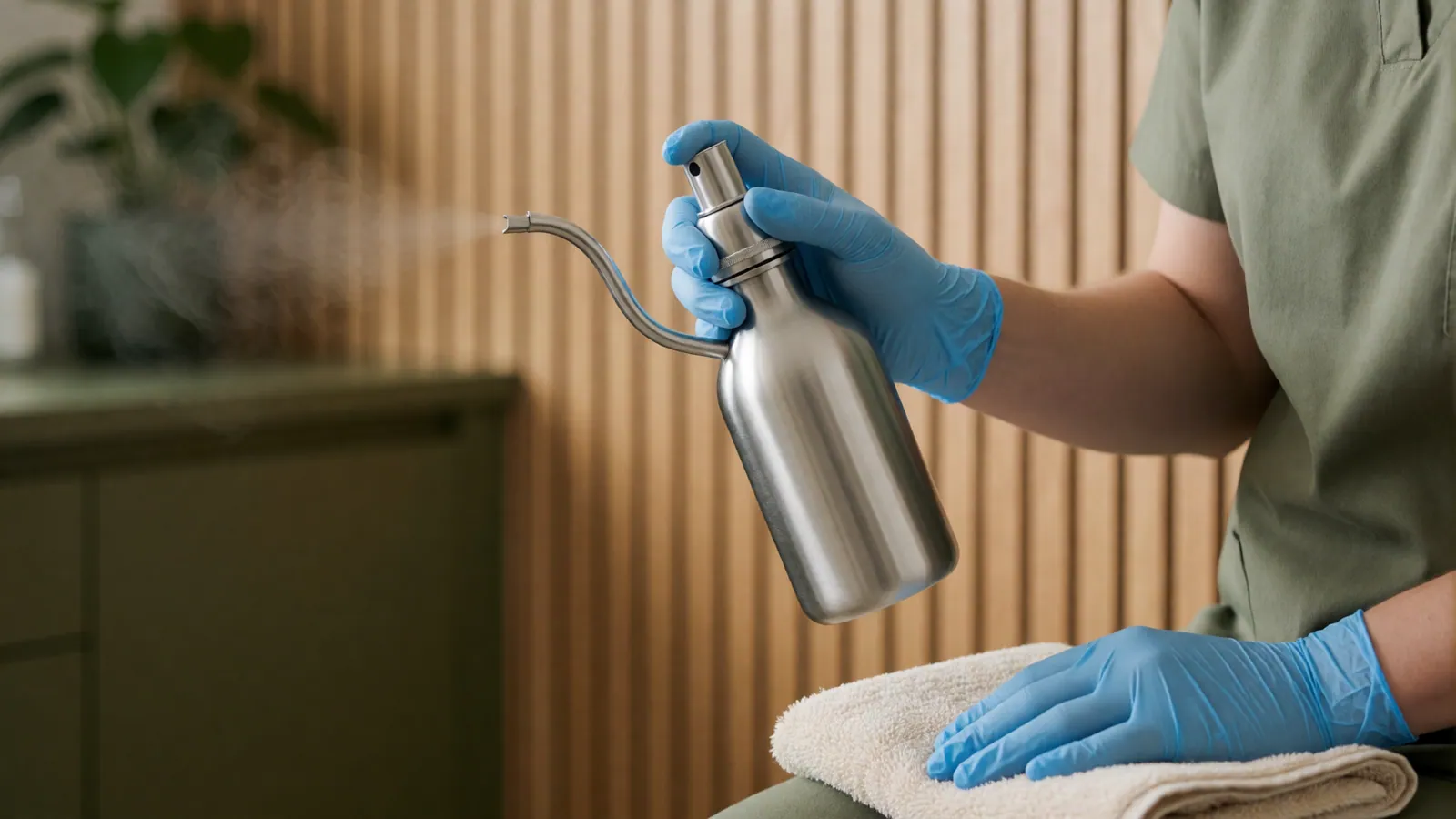
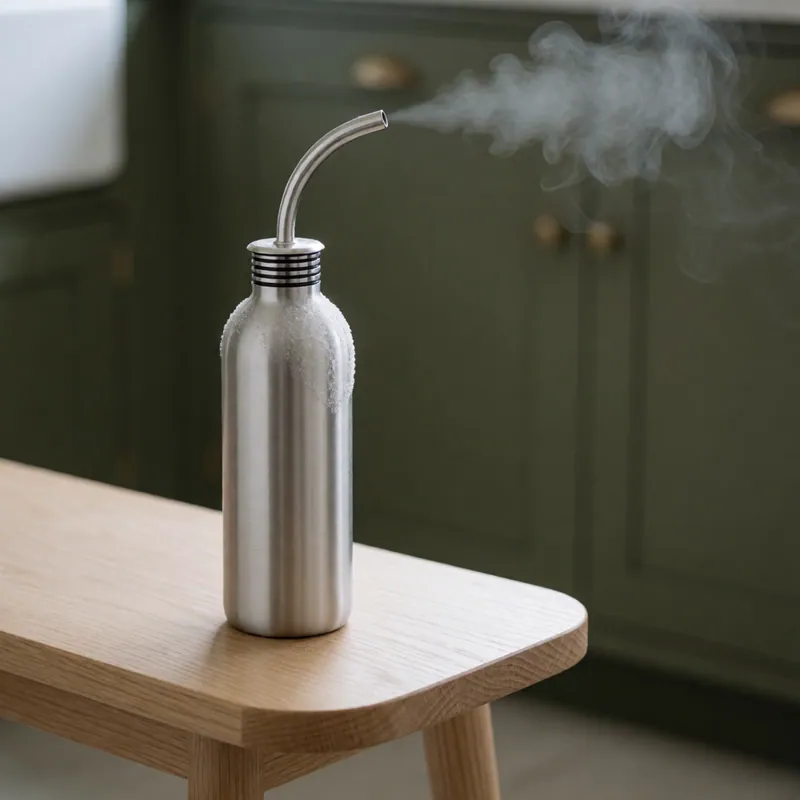
Cryotherapy freezes tissue rapidly, which destroys the treated cells. They then blister, crust and separate over one to two weeks, and new skin heals underneath. It is applied with a fine spray or a probe, in bursts of a few seconds, and a typical treatment for several lesions takes only a few minutes in total.
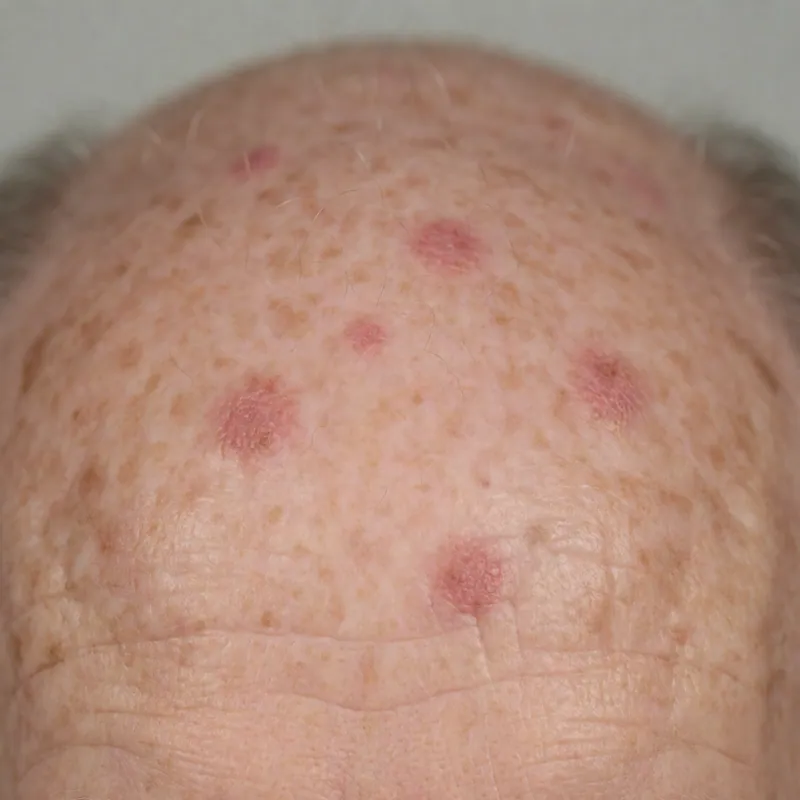
It is genuinely useful for sun-damage patches, warts, several common harmless growths and some other superficial lesions. What it is not useful for is anything where a diagnosis is uncertain, because freezing destroys the tissue and no sample survives to be examined. Anything thickened, tender, recurrent, ulcerated or in any way atypical gets sampled instead — freezing an undiagnosed lesion removes the evidence and delays the answer.
The drawback that matters is pigment change. Pigment cells are more sensitive to cold than the surrounding tissue, so freezing frequently leaves a pale spot. On pale skin this is often barely noticeable. On medium and deep skin tones it can be obvious and permanent, and for a harmless lesion on a visible site that is a poor trade. This is discussed before treatment rather than mentioned afterwards, and for a number of patients here the right answer is a different treatment or none.
What it treats well
And what it should not be used for.
Sun-damage patches
The commonest use. Effective, quick, and several can be done in one appointment. See /actinic-keratosis.html.
Warts
Effective but usually needing several sessions two to three weeks apart, and it hurts — which matters particularly in children, where daily salicylic acid with filing is about as effective and far less distressing.
Common harmless growths
The warty stuck-on brown growths that appear from middle age, small skin tags and some other benign lesions. Removing these is cosmetic where they are not catching or irritated, and is priced and billed as such.
Not for anything undiagnosed
Freezing destroys the tissue, so nothing survives to examine. Anything thick, tender, recurrent, ulcerated, pigmented or atypical is biopsied rather than frozen. A lesion frozen twice that keeps returning is a lesion that should have been sampled.
Not for most pigmented lesions
Moles are not treated with cryotherapy. Beyond the loss of tissue for examination, the pigment response is unpredictable and the resulting mark can be difficult to interpret afterwards.
What happens, and what the healing looks like
Described in full, because the blister stage alarms people who were not warned.
The freeze itself
A stinging, burning cold for the seconds it is applied, then an ache for a few minutes afterwards. Most people describe it as sharply unpleasant rather than severe. No anaesthetic is used for small lesions; the injection would hurt more than the freeze.
Redness and swelling within the hour
Expected. Around the eyes in particular, swelling can be marked the next morning and settles over a couple of days.
A blister, often within a day
Sometimes a large one, and sometimes blood-filled, which looks dramatic and is not a complication. Leave it intact if you can — it is a sterile dressing. If it is painful or in the way, it can be punctured with a clean needle at the edge, leaving the roof in place.
A crust, then healing over one to two weeks
Keep it clean, do not pick it, and let the crust separate on its own. Picking it off early is how a mark becomes a scar.
A pale mark afterwards, frequently permanent
The main cosmetic consequence. Also possible: a temporary darker mark first, particularly on deeper skin tones, before it eventually lightens.
Occasionally a numb patch or a change in hair growth
Small nerve endings and hair follicles are sensitive to cold. On sites such as the fingers a numb patch can persist for months; hair may not regrow in a treated area.
Cryotherapy in western Queens
Liquid nitrogen, applied in short bursts, to freeze off sun-damage patches, warts and several harmless growths. Quick and effective. It stings for twenty seconds and it usually leaves a pale mark — which on deeper skin tones can be permanent.
Every appointment here starts the same way: a proper history, an examination in good light, and a named diagnosis said out loud and written down for you to take home. If there is genuine doubt you will be told that, and told what would settle it — usually a biopsy. You leave with a plan that has a strength, a site, a frequency and a date to stop or come back on it, and, where the condition is one that relapses, what to do on the first day of the next flare. If the honest answer is that this is better left alone, or that it belongs somewhere other than here, that is what you get instead, and it costs exactly the same.
This page is not medical advice, and it is not a diagnosis. Nothing on this website is medical advice for you in particular, and it is not a diagnosis. These pages describe conditions in general terms so that you arrive knowing what the questions are — they cannot tell you which condition you have, because that requires somebody to look at your skin, feel it, ask you a hundred questions and frequently take a sample of it. Two conditions on this website can look identical in a photograph and need opposite treatments. If something on your skin is new, changing, painful or not healing, the useful next step is an appointment rather than more reading.
No before-and-after photographs, and no promised outcome. There are no before-and-after photographs on this website and there never will be. Every set you have seen somewhere else was chosen from a much larger pile, and the second picture is usually taken in different light, at a different angle, at a different point in a flare cycle. In dermatology the dishonesty is sharper than in most fields, because nearly every condition here fluctuates on its own — photograph any relapsing skin disease at its worst and again at its best and you have a persuasive pair of images that demonstrates nothing about the treatment in between. What we publish instead is what a treatment typically achieves, in how long, in what proportion of people, and how often it does not work.
The risks, plainly. Every treatment described here has side effects, and some carry real risks. Topical steroids thin skin if they are used at the wrong strength on the wrong site for too long, which is why they are prescribed with a site, a strength and a stopping point rather than handed over indefinitely. Light-based and laser treatment can burn, blister and cause pigment change that lasts months, and that risk is higher on deeper skin tones and on recently tanned skin. Any procedure that breaks the skin can bleed, become infected and leave a scar; on the chest, the shoulders and the jawline, scars are more likely to thicken. Several of the medicines used in this speciality require blood tests, and some cannot be taken during pregnancy. We tell you your own risk rather than the average one, and where the honest answer is that a condition is better left alone, that is the advice you will get.
Nothing is diagnosed from a photograph. We do not diagnose skin from photographs, and we do not answer "what is this?" by email, by message or through a form. This is not caution for its own sake. A photograph has no history attached to it, cannot be felt, cannot be stretched or pressed to see whether the colour blanches, cannot be examined under a dermatoscope, and misreports colour badly — which matters enormously on skin that is not pale. The examination that actually distinguishes a harmless growth from an early cancer involves magnification, cross-polarised light and, when there is any doubt at all, a biopsy. An application that offers to tell you whether a mole is dangerous from a picture taken on a telephone is selling reassurance, and reassurance is the one product in this field that is dangerous when it is wrong. Bring the mark to a room where somebody can look at it.
Questions
Cryotherapy — the questions we are asked most
Does it hurt?
It stings and burns sharply for the few seconds it is applied and then aches for a few minutes. Most people find it unpleasant rather than severe. No anaesthetic is used for small lesions because the injection would hurt more than the treatment.
Why has it left a white mark?
Pigment cells are more sensitive to cold than the surrounding tissue, so freezing often destroys pigment locally. On pale skin the resulting spot is frequently barely visible. On medium and deep skin tones it can be obvious and permanent, which is why we discuss it before treating rather than afterwards — and why for some patients the right answer is a different treatment.
It has blistered and the blister is full of blood. Is that wrong?
No. Blisters are expected and blood-filled ones are common and not a complication. Leave it intact if you can, since it acts as a sterile dressing. If it is painful or awkward, puncture it at the edge with a clean needle and leave the roof in place.
How many treatments will I need?
Sun-damage patches often clear in one. Warts usually need several sessions two to three weeks apart, and sometimes do not clear at all — which is worth weighing against the fact that most warts resolve on their own within about two years.
Can you freeze this mole off?
No. Moles are not treated with cryotherapy. Freezing destroys the tissue, so nothing can be examined, and the pigment response afterwards can be difficult to interpret. Anything pigmented is assessed and, where necessary, removed in a way that preserves it for the laboratory.
It came back. What now?
A lesion that recurs after adequate freezing is one that should be sampled rather than frozen again. Recurrence in exactly the same place is one of the clearest indications for a biopsy.
Related
Often seen alongside this
Procedures & Testing
Skin Biopsy
Taking a small sample of skin so a pathologist can say what is actually happening in it. Fifteen minutes, local anaesthetic, a result in about a week — and we telephone you either way, including when the news is good.
Read more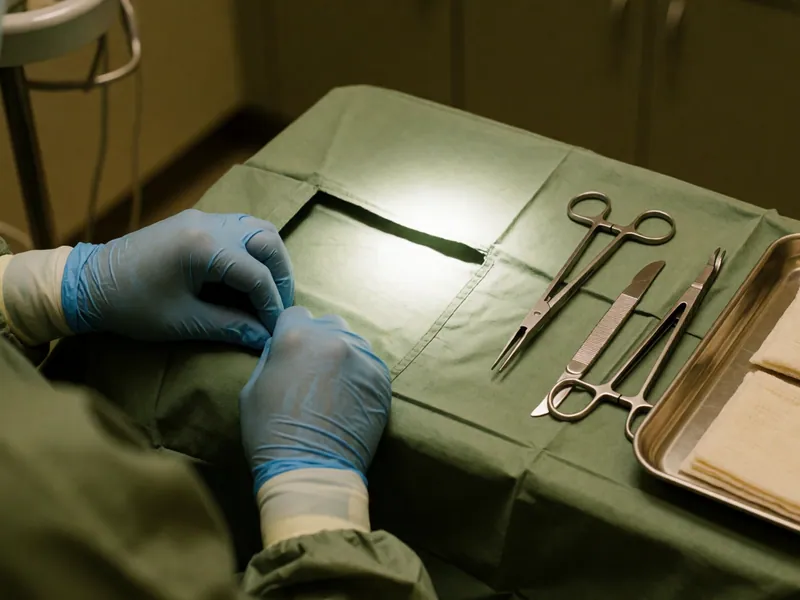
Procedures & Testing
Cyst & Lipoma Removal
Removing a cyst or a fatty lump under local anaesthetic. Both are harmless; both are worth removing when they are growing, catching or repeatedly inflamed. The timing matters — an inflamed cyst is settled first and removed later.
Read more
Procedures & Testing
Patch Testing
Panels of standardised allergens taped to the back for two days and read twice across a week. Unglamorous, slow, and the only reliable way to find out what you are genuinely allergic to. It ends more long-running dermatitis than anything else in this building.
Read moreA named diagnosis and a written plan you leave holding
Book an appointment
Pick a physician and a time from the calendar — it shows only the hours each of them genuinely has free. A new patient appointment is thirty minutes, a full skin examination forty-five, and you leave with a named diagnosis written down. If something on your skin has changed, telephone instead and say that word: it is triaged differently.